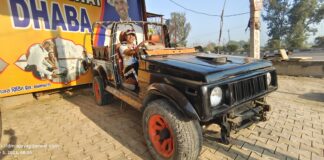
There are few journeys that blend spirituality, natural beauty, and the thrill of mountain roads quite like a road trip through Himachal Pradesh. My visit to the Baijnath Temple, a centuries-old shrine dedicated to Lord Shiva, became much more than just a religious pilgrimage — it turned into a memorable exploration of Himachal’s heartland, from the plains of Chandigarh to the serene hills of Mandi, the pristine beauty of Barot Valley, and finally, the divine calm of Baijnath.
Starting the Journey: Chandigarh to Mandi
I began my trip early in the morning from Chandigarh, the well-planned and green city designed by Le Corbusier. The idea was to make the most of daylight and enjoy the changing landscapes as the plains gradually turned into rolling hills.
The drive from Chandigarh to Mandi is roughly 200 kilometers, taking about 6 to 7 hours depending on the number of halts. The NH205 and NH154 routes are scenic, passing through Bilaspur and Sundernagar. The roads wind along the Sutlej River for a long stretch, offering breathtaking views of water shimmering under the sun.
I made my first major stop at Sundernagar Lake. The calm waters surrounded by green hills created a perfect setting for a short tea break. As I resumed my journey, the roads became steeper and the air cooler — a sign that I was entering the true Himalayan region.
Exploring Mandi – The Temple Town
By afternoon, I reached Mandi, often called the “Varanasi of the Hills” because of its many temples. The town sits beautifully on the banks of the Beas River and carries a quiet charm.
I visited the Bhootnath Temple, one of the oldest and most revered temples in Mandi, dedicated to Lord Shiva. The stone carvings and ancient architecture immediately transported me to another era. I also walked along the narrow lanes lined with old Himachali houses, wooden balconies, and small shops selling woolen clothes and local handicrafts.
Mandi also serves as a base for many mountain getaways, and from here, my next destination — Barot Valley — was about 67 kilometers away.
The Road to Barot Valley: A Hidden Gem in Himachal
The drive from Mandi to Barot Valley is pure magic for anyone who loves mountain roads. The route passes through Jogindernagar, known for its historic trolley system built during the British era, and then climbs steeply toward Barot.
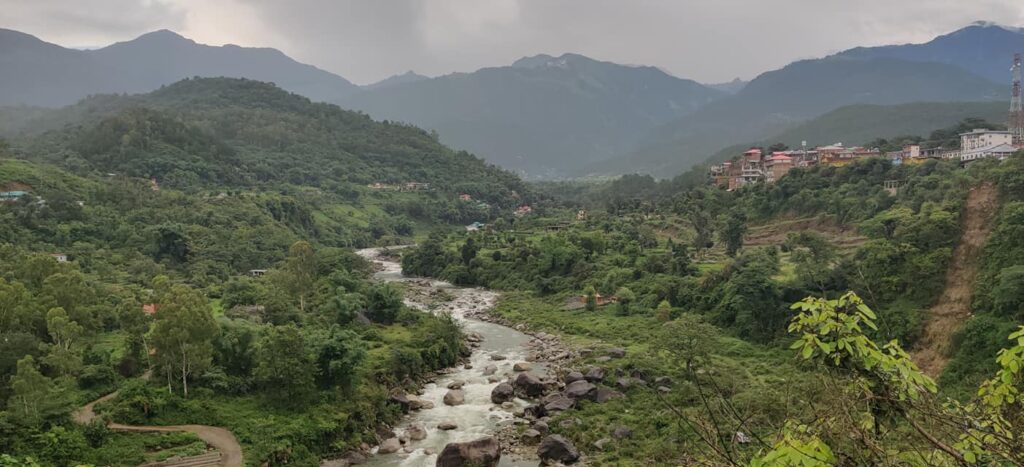
The distance might not sound much, but the winding roads and occasional landslides make it a 3 to 4-hour journey. Still, every twist and turn rewards you with mesmerizing views — dense pine forests, distant snow-capped peaks, and the soothing sound of the Uhl River running parallel to the road.
By the time I reached Barot Valley, the sun was beginning to dip behind the hills, casting golden light over the river and meadows. The valley felt untouched and peaceful, almost like a hidden world shielded from commercial tourism.
A Day in Barot Valley
Barot is one of those places where time seems to slow down. It’s not crowded, and there are no big hotels or busy markets — just raw, natural beauty. The Uhl River, with its crystal-clear water, runs through the valley and is ideal for trout fishing. The Barot Trout Farm, managed by the Himachal Pradesh Fisheries Department, is quite popular among visitors.
I stayed overnight in a cozy homestay run by a local family. They served simple Himachali food — rajma, rice, and siddu — all cooked on a wood-fired chulha. After dinner, I sat outside listening to the river and watching the stars. The sky here is unbelievably clear, and you can see the Milky Way on a cloudless night.
The next morning, I explored some of Barot’s highlights:
-
Nargu Wildlife Sanctuary, located across the river, home to Himalayan black bears, monals, and ghorals.
-
Hydro Power Project, one of the earliest hydel projects in India built during the British period.
-
Hiking trails leading to nearby villages like Lohardi and Rajgundha, where life moves at its own slow pace.
After spending half a day soaking in the charm of Barot, I packed up for the final leg of my journey — Baijnath, around 40 kilometers away.
The Scenic Drive from Barot to Baijnath
The road from Barot to Baijnath is a mix of narrow mountain paths, pine-covered slopes, and panoramic valley views. The drive takes about 2 to 3 hours, depending on weather and traffic.
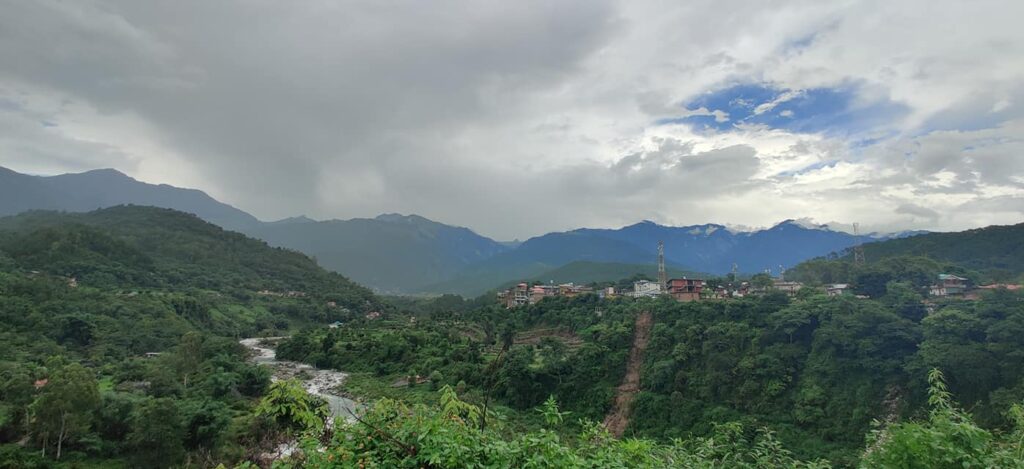
As I neared Baijnath, I noticed a gradual shift in the landscape — the forests gave way to open valleys and terraced fields. The Dhauladhar Range loomed in the distance, snow-capped and majestic. It was easy to understand why this region has been considered sacred for centuries.
Arrival at Baijnath – The Abode of Lord Shiva
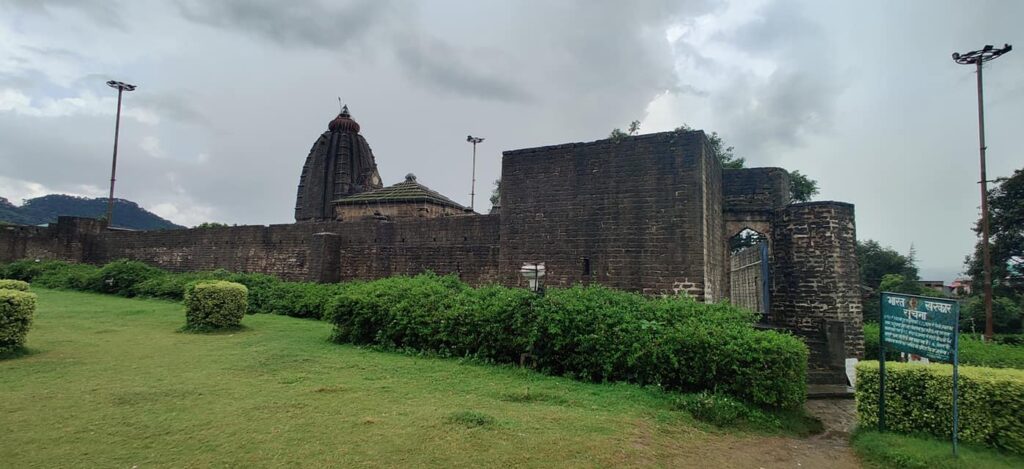
The Baijnath Temple is not just a religious site; it’s a masterpiece of early medieval North Indian architecture. Located on the banks of the Gomti River, with the Dhauladhar mountains as its backdrop, the temple exudes serenity and strength.
Built in 1204 AD by two local merchants, Ahuka and Manyuka, the temple is dedicated to Lord Shiva as Vaidyanath, or the “Lord of Physicians.” It’s believed that the temple houses one of the twelve Jyotirlingas, making it a deeply significant site for devotees.
Architecture and Legends of Baijnath Temple
The temple is built in the Nagara style, characterized by tall spires and intricate carvings. As I stepped through the stone gateway, I noticed the detailed inscriptions on the temple walls — ancient scripts describing the temple’s origin and history. The sanctum houses the Shivalinga, continuously bathed with water from a natural stream flowing through the temple.
According to legend, Ravana, the demon king of Lanka, worshiped Lord Shiva here to gain immortality. He offered his ten heads as sacrifice, one after another, to please the Lord. Impressed by his devotion, Shiva restored his heads and granted him immense powers. This is why Baijnath is also associated with healing and renewal.
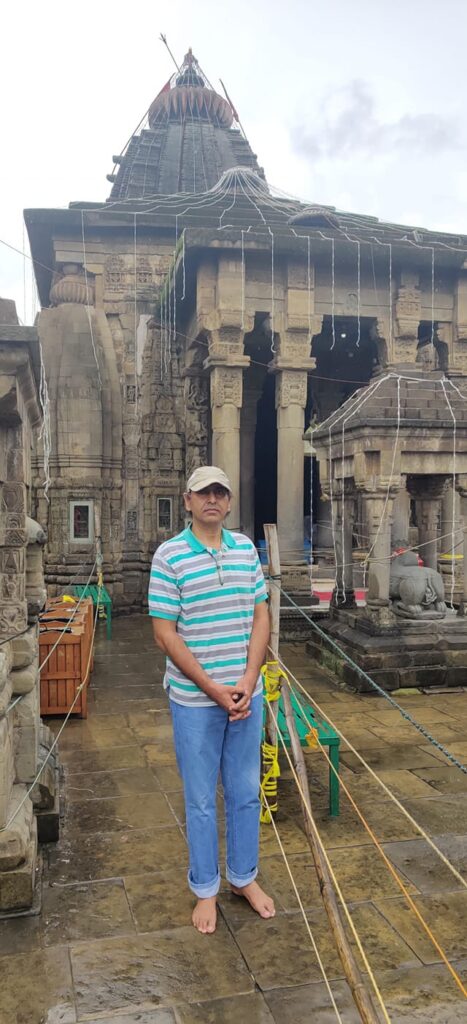
Walking barefoot on the temple’s cold stone floor, with the chants of priests echoing softly, I felt a deep sense of peace. Unlike many crowded temples, Baijnath has a quiet dignity. The natural setting — surrounded by mountains and the sound of flowing water — amplifies the spiritual experience.
Other Attractions Around Baijnath
Apart from the main temple, Baijnath and its surrounding areas offer several points of interest worth exploring:
-
Maheshwari Temple – A smaller shrine nearby, dedicated to Goddess Parvati.
-
Tashi Jong Monastery – About 10 km away, this Buddhist monastery is known for its colorful murals and peaceful atmosphere.
-
Bir Billing – The world-famous paragliding destination is just 15 km away from Baijnath. If you’re seeking adventure after spiritual calm, this is the perfect place.
-
Tea Gardens of Palampur – On the way toward Palampur, vast stretches of tea estates give a refreshing green view of the Kangra Valley.
Cultural and Local Experience
Baijnath is not just about its temple; it’s also about the warmth of its people and the simplicity of Himachali life. The local market sells woolen shawls, handmade artifacts, and wooden carvings. I also tried siddu again, along with madra — a local delicacy made with chickpeas and curd-based gravy.
The locals take immense pride in the temple’s history and love sharing stories about Lord Shiva’s miracles and the legends connected with Baijnath. Their hospitality adds to the charm of the visit.
Best Time to Visit Baijnath
The best time to visit Baijnath is between March and June or September and November, when the weather is pleasant, and the sky is clear. Winters can be quite cold, with occasional snowfall in nearby regions.
If you visit during Maha Shivaratri, the temple comes alive with thousands of devotees, music, and lamps glowing against the night sky — a sight that stays with you forever.
Return Journey and Reflection
After spending a full day in Baijnath, I began my return journey the next morning. The route back to Chandigarh followed the same beautiful stretch through Palampur and Mandi. I stopped often to take in the mountain air and click pictures of the valleys below.
Looking back, this trip was more than just a drive through Himachal. Each stop — Chandigarh’s modern charm, Mandi’s spiritual aura, Barot’s pristine beauty, and Baijnath’s divine calm — added a unique layer to the experience.
Baijnath, with its thousand-year-old temple and peaceful surroundings, left a lasting impression on my heart. It reminded me that travel in the hills isn’t just about reaching a destination; it’s about the moments in between — the chai stalls, the sound of rivers, and the stories you collect along the way.
Conclusion
A road trip from Chandigarh to Baijnath via Mandi and Barot Valley is a perfect blend of nature, culture, and spirituality. It’s ideal for those who love long drives, ancient temples, and untouched Himalayan landscapes.
If you’re planning your next getaway, skip the usual crowded hill stations and explore this route instead. Whether you seek divine blessings, a peaceful retreat, or simply the joy of winding mountain roads, Baijnath and Barot Valley promise a journey you won’t forget.